Use Cardboard Boxes for Fruit and Vegetables for Fresh Produce Storage
Creating the Perfect Tailored Produce Boxes: A Methodical Approach
Creating custom produce boxes demands a strategic approach. Professionals must evaluate environmental responsibility, practicality, and visual appeal. Choosing the right substances is vital for maintaining quality and promoting environmentally conscious practices. Furthermore, size and shape can greatly impact ease of use and transport efficiency. Impactful graphics strengthen brand recognition, while comprehensive evaluation ensures durability. Comprehending these components will reveal key understandings into creating standout packaging solutions that connect with consumers. What comes after is critical to reaching those goals.
Choosing the Right Components for Custom Produce Boxes
When picking materials for custom produce boxes, it is critical to review both functionality and sustainability. The decision of material considerably affects the box's resilience, weight, and function to preserve the contents. Common materials feature corrugated cardboard, which supplies strength and is able to be recycled, making it a popular choice for eco-conscious businesses. Decomposable options, such as molded pulp or plant-based plastics, also embrace sustainable practices while offering adequate protection for delicate produce.
Furthermore, water repellency is crucial for preserving quality, prompting some producers to explore treated materials or specialized coatings. The aesthetic appeal of the box should not be overlooked, as branding and visual presentation can affect customer outlook. Ultimately, the right material should strike a balance between safeguarding the product, appealing to customers, and meeting sustainability requirements, guaranteeing that practicality and eco-consciousness are emphasized in the development phase.
How to Opt for Size and Shape for Functionality?
When selecting the form and dimensions of custom produce boxes, careful assessment of produce measurements is crucial for effective storage. Additionally, attention to handling and transport can impact the box design, ensuring ease of movement. Optimizing storage space utilization further enhances functionality, allowing for efficient display and storage.
Evaluate Produce Measurements Carefully
Determining the proper proportions for vegetable containers is vital for functionality and efficiency. Careful measurement of produce measurements is necessary, as it confirms that items fit firmly without extra room that might create damage during storage or transport. Specialized boxes need to handle multiple shapes, from tender fruits to oversized produce, while maintaining robustness. Additionally, the height and width of the boxes should allow for proper layering and inventory control, making the best use of space in distribution centers. A expertly crafted container not only preserves the produce but also boosts market presentation for end customers. Ultimately, deliberate consideration of dimensions supports complete guide waste prevention and enriching supply chain experience in the product distribution.
Think About Managing Handling and Transport
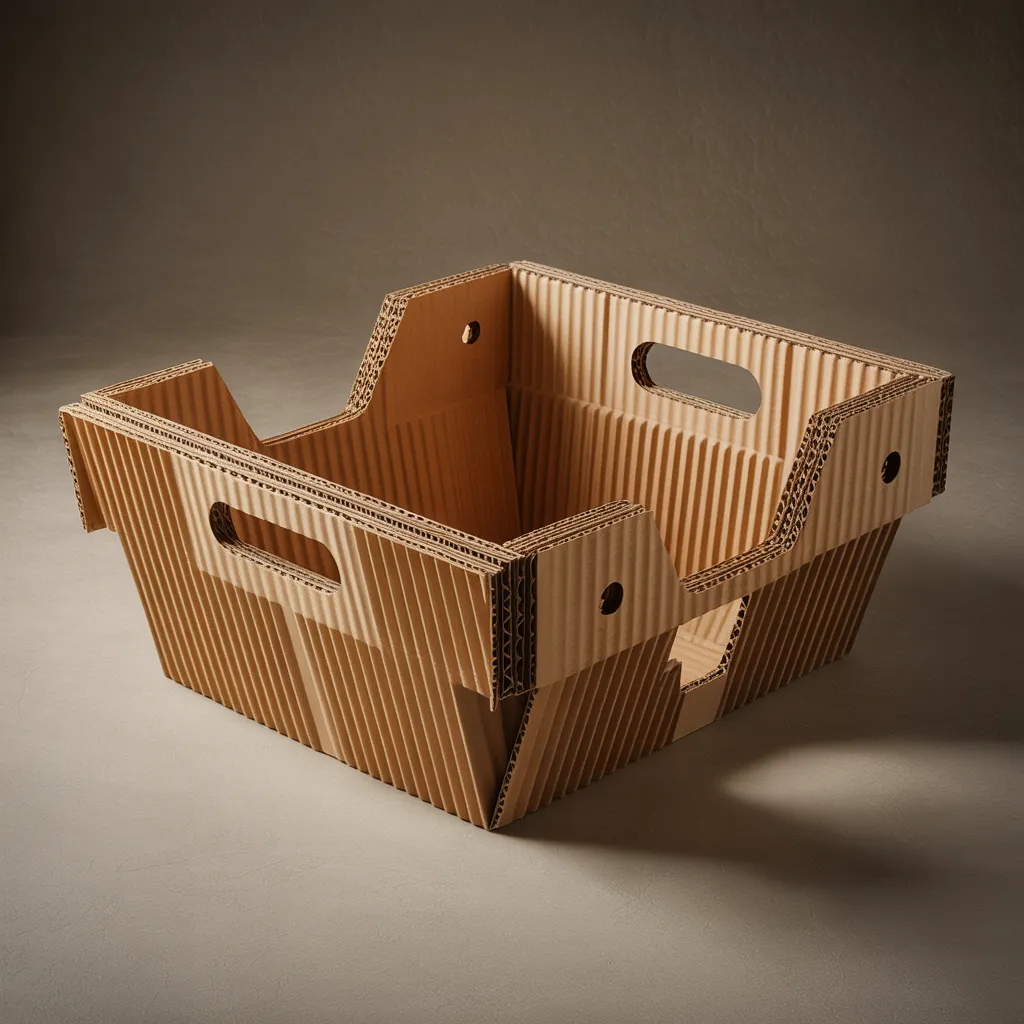
Handling and shipping factors play a substantial role in establishing the appropriate size and shape of custom fresh product boxes. The dimensions must fit the produce without unnecessary space, which could lead to movement and harm during transit. Compact, smaller boxes enable easier handling, while larger boxes may be necessary for larger items. Additionally, ergonomic design is essential; handles or openings should be strategically placed to allow for easy lifting and carrying. The shape of the box also affects stacking and stability, ensuring that products remain secure. Ultimately, thoughtful evaluation of these elements enhances the effectiveness of transport, minimizes product loss, and supports the overall quality of the produce from farm to consumer.
Optimize Shelf Space Utilization
Optimizing shelving performance is contingent upon picking the correct proportions and design of specialized produce boxes. Design teams should evaluate the size specifications of the storage systems as well as the types of crops being arranged. Straight-edged boxes often boost space efficiency, permitting for more straightforward organization and positioning. In contrast, unusual shapes can boost visual appeal but may create lost capacity if not strategically planned.
It's necessary to examine the inventory turnover rate; briskly-selling products might benefit with smaller, conveniently positioned boxes. Likewise, integrating customizable or modular designs can enable varying dimensions of produce while improving storage layout. By highlighting functionality and aesthetic considerations, businesses can fashion a practical and attractive display that elevates both product access and market presence.
How to Produce Images That Seize Attention?
Compelling artwork can reshape a plain custom produce box into a visual masterpiece that draws attention. To achieve this, designers should commence by picking a color combination that reflects the freshness and vibrancy of the produce. Bright, eye-catching colors can awaken impressions of freshness and health, compelling consumers to take a closer look.
Using strong typefaces is also essential; readable typefaces can successfully convey key details while enhancing visual appeal. Additionally, using premium photographs of the items can establish instant rapport, displaying the product's quality and attracting potential buyers.
In addition, incorporating unique patterns or illustrations can help differentiate the brand in a saturated market. Uniformity in design elements, such as logos and taglines, reinforces brand identity. Ultimately, a blend of creativity and clarity in graphic design can substantially improve the impact of custom produce boxes, helping them become distinctive on shelves.
Eco-Friendly Practices for Personalized Produce Box Packaging
A surging number of businesses are adopting environmentally responsible standards for custom produce box packaging, appreciating its importance in today's ecologically aware market. These protocols often include the use of biodegradable materials, such as recycled paper and plant-based plastics, which minimize environmental impact. Companies are also zeroing in on conscientious sourcing, verifying that materials are obtained from responsibly managed forests or suppliers who copyright environmental stewardship.
Furthermore, numerous brands are opting for minimalist designs that reduce waste while still efficiently highlighting their products. This approach not only appeals to environmentally conscious consumers but also assists in lowering production costs. Moreover, businesses are increasingly applying effective manufacturing processes that minimize energy consumption and waste generation. By incorporating these sustainable practices, companies not only enhance their brand image but also contribute positively to the planet, positioning their operations with a sustainable future.
Inspect Your Tailored Produce Box Design
Testing the design of custom produce boxes is an significant step in assuring they meet both appearance-based and performance-based requirements. This process usually encompasses examining components such as durability, size, and practical use. First, prototypes need to be developed to evaluate the box's overall soundness, ensuring it can withstand shipment and storage without compromising the produce.
Following this, user testing sessions can be carried out to evaluate how smoothly the boxes can be unfastened, closed, and layered. Suggestions from prospective users can be essential in this phase, sharing understanding of the box's usefulness.
Furthermore, the aesthetic quality of the design should be tested through consumer testing panels or questionnaires, gauging customer responses to brand components, color schemes, and general appearance.
In the end, comprehensive evaluation enables designers to improve the box, guaranteeing it not only attracts customers but also effectively safeguards and showcases the produce within, achieving the right equilibrium between form and function.
Advertising Your Custom Produce Boxes Successfully
Effective marketing of personalized produce boxes requires a well-planned strategy that highlights their unique features and benefits. Businesses must prioritize pinpointing their intended customers, including local farms, grocery stores, or individual consumers. Utilizing social media platforms can enhance brand awareness, presenting the boxes' appearance and functionality through engaging visuals and storytelling.
Additionally, establishing partnerships with local influencers or farmers can strengthen standing and expand customer base. Delivering incentives or cost savings during peak demand times can win over initial customers and support repeat business.
Furthermore, promoting sustainability and eco-friendliness in promotional messaging can appeal to sustainability-focused buyers. Presenting in-depth information about material sources and the advantages of bespoke packaging designs can better establish the brand in a saturated marketplace.
In the end, a detailed marketing strategy that merges internet-based and grassroots efforts will efficiently promote custom produce boxes, appealing to a wide-ranging clientele and driving sales.
Often Requested Queries
What Costs are Included in Custom Produce Box Customization?
Fees involved in custom produce box design feature components, printing, labor requirements, and delivery costs. In addition, design expertise and minimum order quantities can affect total expenses, causing fluctuating prices based on specific needs and manufacturing size.
How much time Does It Take to Produce Personalized Boxes?
Manufacturing of tailored boxes typically demands two to six weeks. Key factors affecting this timeframe involve design complexity, sourcing of materials, and manufacturing output, all of which may affect delivery schedules and delivery windows.
Can I Purchase a Small Amount of Custom Produce Boxes?
Yes, small quantities of custom produce boxes can generally be placed. Many providers offer baseline order amounts, permitting organizations or people to acquire personalized packaging options without needing to commit to significant quantities initially.
What Common Mistakes Should You Avoid When Creating Custom Packaging?
Typical errors in custom box layout involve overlooking functionality, disregarding brand consistency, undervaluing material quality, not considering target audience preferences, and overlooking environmental impact. Each aspect is vital for successful packaging and customer satisfaction.
How Do I Ensure My Boxes Are Safe for Food?
To verify boxes maintain food-grade standards, individuals must pick compounds certified for food contact, eliminate harmful inks and adhesives, maintain cleanliness during production, and regularly test for compliance with health regulations and safety standards.